
Main Modification Methods
1. Surface Coating
Substances such as resins or surfactants are physically coated onto the surface of talc particles. This method is relatively simple, but the effects may not be as long-lasting as chemical modification.
2. Chemical Coupling (Most Common and Most Effective)
A coupling agent reacts with the hydroxyl groups (-OH) on the surface of talc, forming a strong chemical bond. The other end of the coupling agent is then compatible or reactive with the polymer matrix.
Silane coupling agents: Suitable for a variety of polymers, particularly thermosetting resins (such as epoxy resins) and some thermoplastics.
Titanate coupling agents: Effective for polyolefins (such as PP and PE), effectively reducing system viscosity and improving processing fluidity.
Aluminate coupling agents: Similar to titanates, they are commonly used in plastics such as PVC and PP and are relatively low-cost.
3. Mechanical and Chemical Modification
During the ultrafine grinding process, high-energy mechanical forces are applied to activate the surface of the talc particles, creating fresh surfaces and active sites. Simultaneously, a modifier is added, achieving simultaneous grinding and modification.
Applications of Modified Talc
The modified talc significantly enhances its performance and is widely used in high-end applications:
Plastics Industry (largest application area)
Polypropylene (PP): As a nucleating agent and reinforcing filler, it is widely used in automotive parts (bumpers, instrument panels), home appliance housings (washing machine inner drums), and household products, significantly improving PP's rigidity, heat resistance, and dimensional stability.
Engineering Plastics: Used in nylon (PA) and polybutylene terephthalate (PBT), improving heat resistance, strength, and warpage resistance.
Polyvinyl chloride (PVC): Improves the impact strength and dimensional stability of rigid PVC.
Rubber Industry
As a semi-reinforcing filler, it is used in the manufacture of hoses, tapes, seals, and other products, improving their tensile strength, wear resistance, and chemical resistance.
Coatings Industry
Modified Talc improves the suspension and settling resistance of coatings, and enhances the hardness, abrasion resistance, and weather resistance of coatings. Its flake structure also enhances the barrier effect of coatings.
Advanced Papermaking
As a filler and coating, it improves the whiteness, smoothness, opacity, and printability of paper.
Other Industries
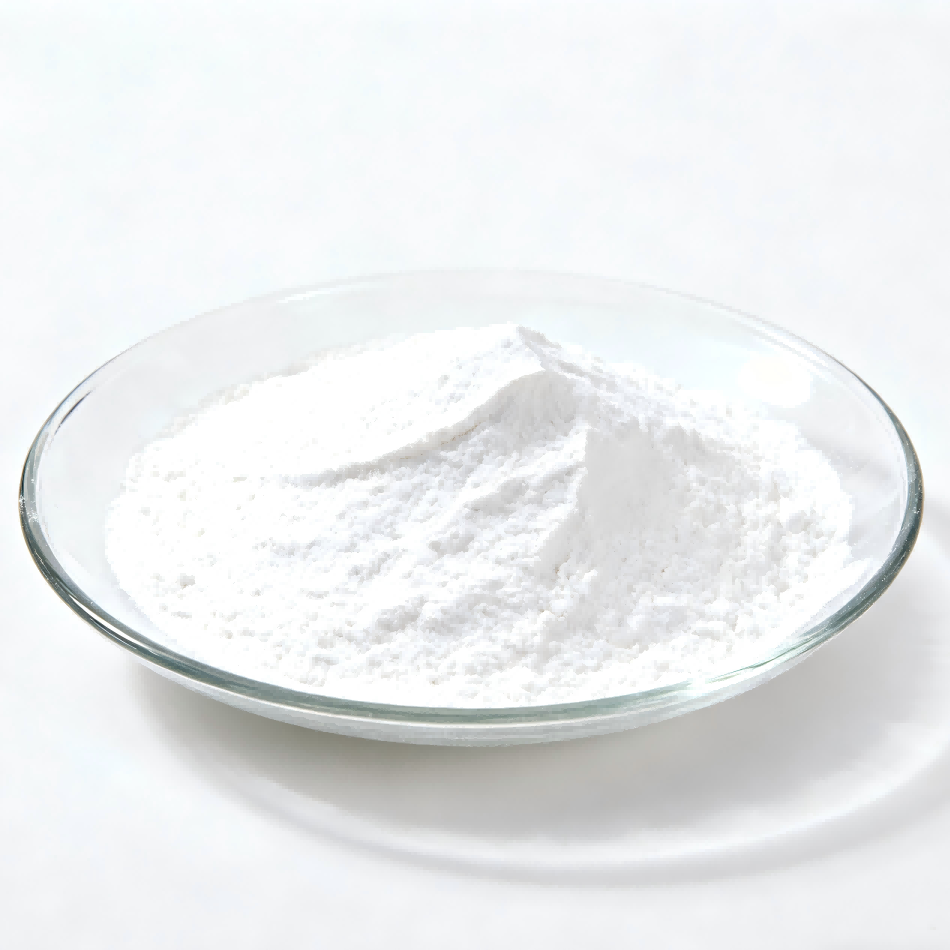
Modified talc, which has undergone special surface treatment and rigorous testing, is also used in cosmetics, pharmaceuticals, food-grade packaging, and other industries where purity and safety are paramount.
| Unmodified Talc vs. Modified Talc | ||
| Properties | Unmodified Talc | Modified Talc |
| Surface Properties | Hydrophilic/Oleophobic | Oleophilic/Hydrophobic (Organized) |
| Dispersibility in Polymers | Poor, prone to agglomeration | Good, uniform dispersion |
| Interfacial Bonding with Matrix | Weak, physical filler | Strong, may form chemical bonds |
| Impact on Mechanical Properties | Limited improvement, may reduce toughness | Significantly improves strength, modulus, and toughness |
| Hygroscopicity | High | Significantly reduces |
| Processing Flow | May deteriorate | Usually improves |
| Cost | Low | High |
| Applications | Mid- to low-end fillers | High-end, high-performance composites |
