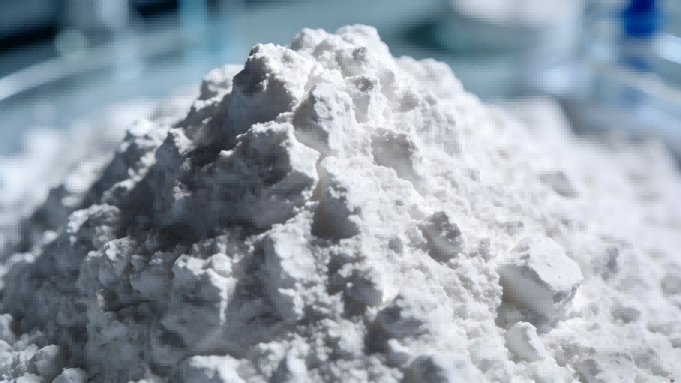
Magnesium hydroxide, as an important alkaline compound, plays a key role in various industrial and daily life fields, with applications spanning wastewater treatment, medicine, textiles, agriculture, and food processing, among others.
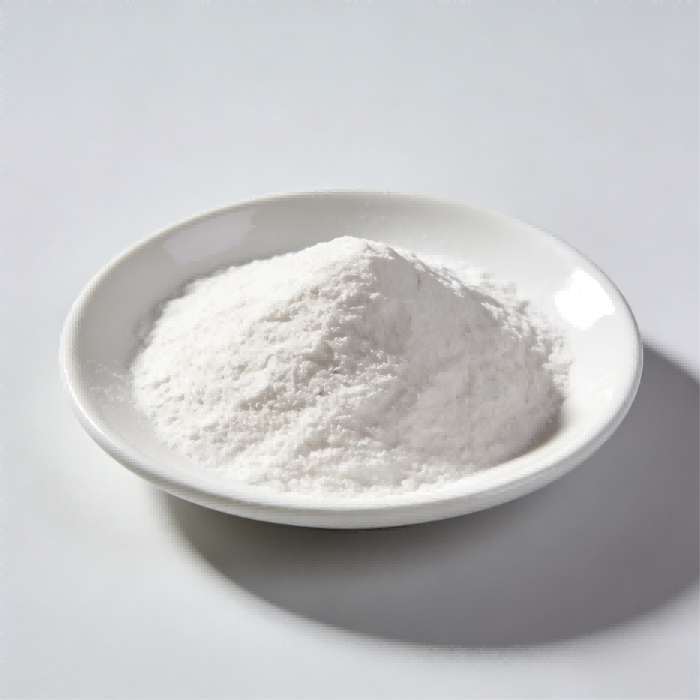
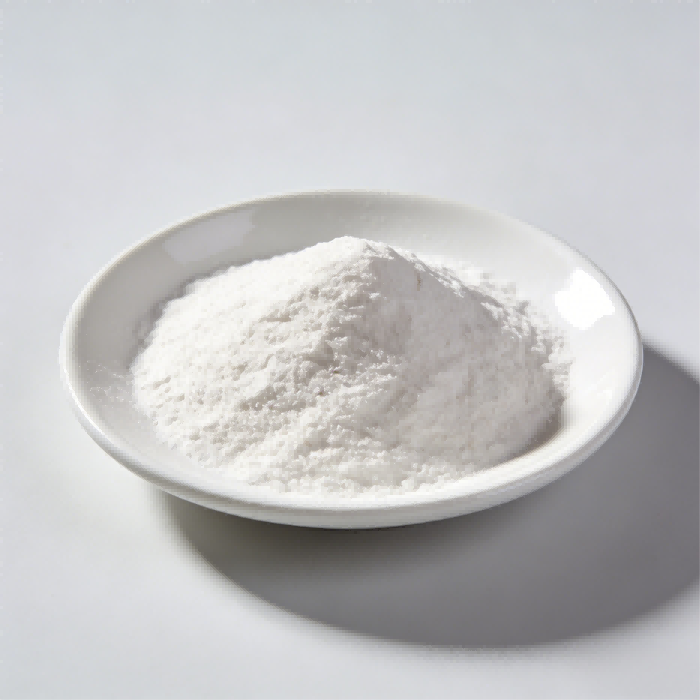
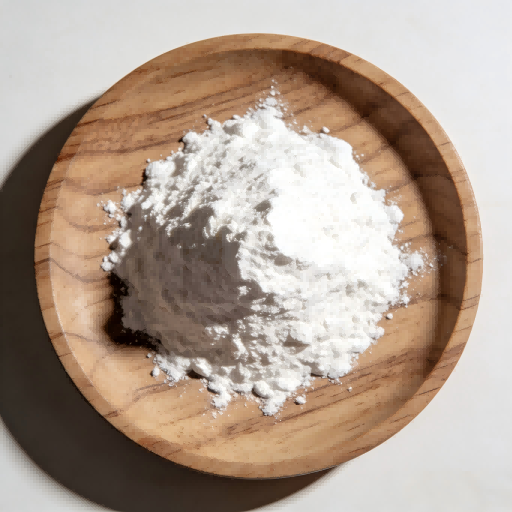
Magnesium hydroxide, a white crystalline or powdered substance, is gaining recognition for its broad and significant potential in food processing, owing to its alkaline properties, adsorption capacity, non-toxicity, and controlled-release capabilities.
Magnesium hydroxide (Mg(OH)₂) is a workhorse in the world of inorganic flame retardants. Its effectiveness is not due to a single magic trick, but rather a sophisticated, synergistic combination of three distinct mechanisms that create a powerful barrier against fire. It is a master of defense, operating on both physical and chemical fronts.
In the world of chemistry, few transformations are as dramatic as the one between metallic magnesium and its compound, magnesium hydroxide. One is a pyrophoric element capable of brilliant, intense flames; the other is a stable powder used to suppress fires. Understanding this journey reveals the fundamental principles of chemical reactivity and stability.